






Why were the "White émigrés" so sought after as taxi drivers by the G7 taxi company in the 1930s?
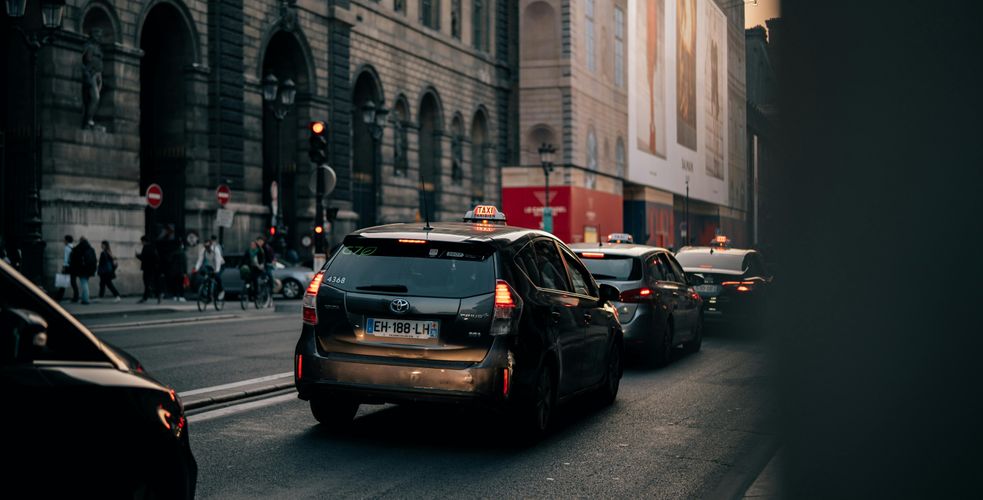
In 1932, in Paris, there were between 25,000 and 30,000 taxis. The CFAP (Compagnie française des automobiles de place), the forerunner of G7, was looking for honest, customer-focused drivers. The White émigrés were ideal candidates, perfectly suited to the ambitious standard of transport and customer experience the company wanted to establish.
"White émigrés" were Russians who emigrated from the territory of the former Russian Empire in the wake of the Russian Revolution and the Russian Civil War. They were in opposition to the revolutionary Bolshevik political climate.
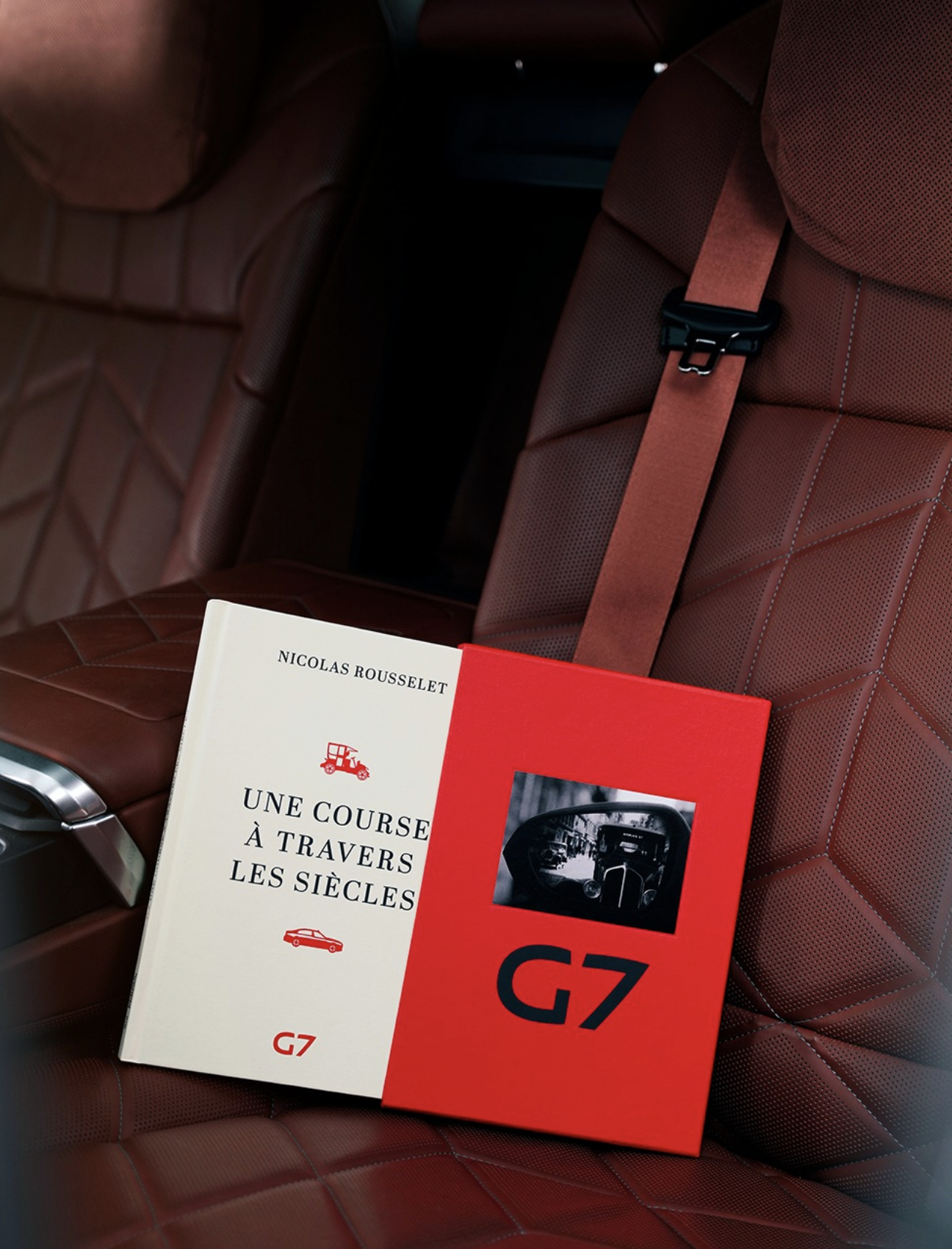
Short excerpts from Une course à travers les siècles by Nicolas Rousselet (Débats Publics Editions)
Pages 28–29
"(...) By the end of this period and the beginning of the following decade, the Parisian taxi was at its peak. A large and loyal clientele was deeply attached to this mode of transport. In 1932, between professional drivers and part-time 'occasional taxi' operators, between 25,000 and 30,000 taxis were rolling through a heavily congested Paris — some even operating as shared rides. This was the highest number of taxis ever recorded in the capital.
You mentioned earlier the professionalization of the sector during the 1920s. What form did that take?
This is indeed the second defining feature of the Roaring Twenties. During that decade, the taxi trade was transformed. Hiring offices opened at the major companies, including the CFAP. The profession was genuinely attractive. Becoming a taxi driver meant escaping the factory or workshop, where working conditions were grueling. The job offered a path to social mobility — something that remains true a hundred years later. Some saw it as a springboard to other careers. Hiring standards at the major companies became increasingly strict. The CFAP was particularly exacting when it came to honesty. Its reputation was on the line: there could be no complaints or grievances from customers, who could submit concerns to the company's own disciplinary committee. These were the first steps toward what we now call "customer service."
This high standard of expectation explains the warm welcome extended to the White Russian émigrés, who had recently arrived in France following the communist revolution. Their education and precarious circumstances made exemplary conduct a matter of course. These were relatively young men — aristocrats, members of the bourgeoisie, or former soldiers of Tsar Nicholas II — who had refused to accept the new communist regime and had made their way to Paris and its inner suburbs. They were hired by Renault in Billancourt, where 2,000 were recorded in 1926 and 4,000 by 1931 — a town affectionately renamed "Billankoursk."
In the interwar years, the profession thus played an integrating role for the most vulnerable and for immigrants — a situation that foreshadowed an entire policy of social inclusion through work. It also attracted French workers from rural areas arriving in Paris, such as migrants from the Maurienne valley, who formed a sizeable community in Levallois. Other communities would follow: from Asia in the 1970s, from Africa in the 1980s, from North Africa and Eastern Europe since 1990. The rise of the taxi industry and the CFAP is therefore inseparable from the history of immigration in France.
As current events unfortunately remind us, welcoming immigrants in France has never been straightforward. The arrival of the White Russians in the 1920s was no exception. The Taxi Drivers' Union looked unfavorably on the integration of foreigners who might upset the balance of power within the profession. Given their history, these émigrés were unlikely to join the CGTU, and the leaders of the major taxi companies saw the hiring of this workforce as an opportunity. White Russian drivers would go on to navigate the streets of Paris until the 1960s. The Russian diaspora built a mutual aid network that eased access to the profession, organizing evening classes and publishing instruction manuals in Russian. In 1926, these migrants founded the Union générale des chauffeurs russes (General Union of Russian Drivers). The organization was considered too right-wing, and a number of potential members soon regrouped under the Association des chauffeurs et des ouvriers de l'automobile (Association of Automobile Drivers and Workers). Between them, these two associations counted 3,156 Russian taxi drivers — 1,481 in Paris and the rest in the surrounding suburbs."
In a fascinating and somewhat overlooked book — Une course à travers les siècles by Nicolas Rousselet (Débats Publics Editions), written in collaboration with Arnaud Berthonnet — discover the story of G7, the company that revolutionized urban mobility and employed thousands of White émigrés as drivers. In 1985, the G7 dispatch center became the first computerized call center of its kind among taxi companies.
Cover photo © Kadir Avsar